About Acupuncture
Acupuncture is part of Traditional Chinese Medicine (TCM), an ancient medical system which was developed over 2000 years ago. Traditional Chinese Medicine takes a holisitic approach which treats the whole person and understands the mind and body as an interconnected system.
FAQs
How does acupuncture work?
Acupuncture involves the insertion of fine, sterile needs into specific points on ‘channels’ or ‘meridians’ of the body.
Traditional Chinese Medicine understands the effects of acupuncture through the theory of ‘Qi’ which can be descibed as our ‘life force’. When Qi becomes blocked, it can stagnate causing pain, discomfort, or issues with our body’s functions. As an acupuncturist, I select acupuncture points on the affected ‘meridian’ or ‘channel’ to encourage Qi to flow more freely and restore balance. Acupuncture is a holistic practice and treatment seeks to not only relieve symptoms but to address the ‘root cause’ of the concern.
From a biomedical perspective, acupuncture can be understood through several potential mechanisms. The most well known is that acupuncture encourages the body to release natural pain relieving endorphins, though it’s unlikely all the effects of acupuncture can be attributed to this. Acupuncture is also known to stimulate the parasympathetic nervous system, triggering the body’s ‘rest and digest state’ and stimulates the release melatonin promoting sleep. You can find out more about the other potential mechanisms here.
Does acupuncture hurt?
As the acupuncture needles are very fine, many people do not feel them being inserted, however, it is normal to feel a tingle or dull ache as they are being adjusted. If anything feels uncomfortable at any time you can let me know and we can remove or adjust the needles. While the needles are in place, many people feel relaxed and may choose to rest or dose.
Is acupuncture safe?
When provided by a qualified practitioner, acupuncture is considered to be a very safe treatment. Side effects are uncommon and, when they do occur, are usually mild and short-lived. The most common responses include slight bruising at the needle site or a temporary feeling of tiredness after treatment.
As a member of the British Acupuncture Council (BAcC), accredited by the Professional Standards Authority (PSA), I work in accordance with high professional and safety standards, with your comfort, safety and wellbeing at the heart of my practice.
I have a fear of needles - can acupuncture support me?
Yes - acupuncture can be very benefical. I myself had a fear of needles and was pleasantly suprised at how relaxing I found my first acupuncture treatment. Acupuncture needles are very fine and much smaller than the needles used in medical treatment. Please let me know if you have a fear of needles or if you are feeling nervous about any aspect of treatment as we can take a very gentle approach to ensure your comfort.
What will happen during my first appointment?
We will begin your first appointment with an indepth conversation regarding your health history, the symptoms you are currently experiencing and the outcomes you are seeking from treatment. From there, we will develop your treatment plan.
Before starting your first treatment, I will ask to feel your pulse and look at your tongue. This may seem a little strange but these techniques are integral to chinese medicine diagnosis and help us to understand what may be going on inside the body.
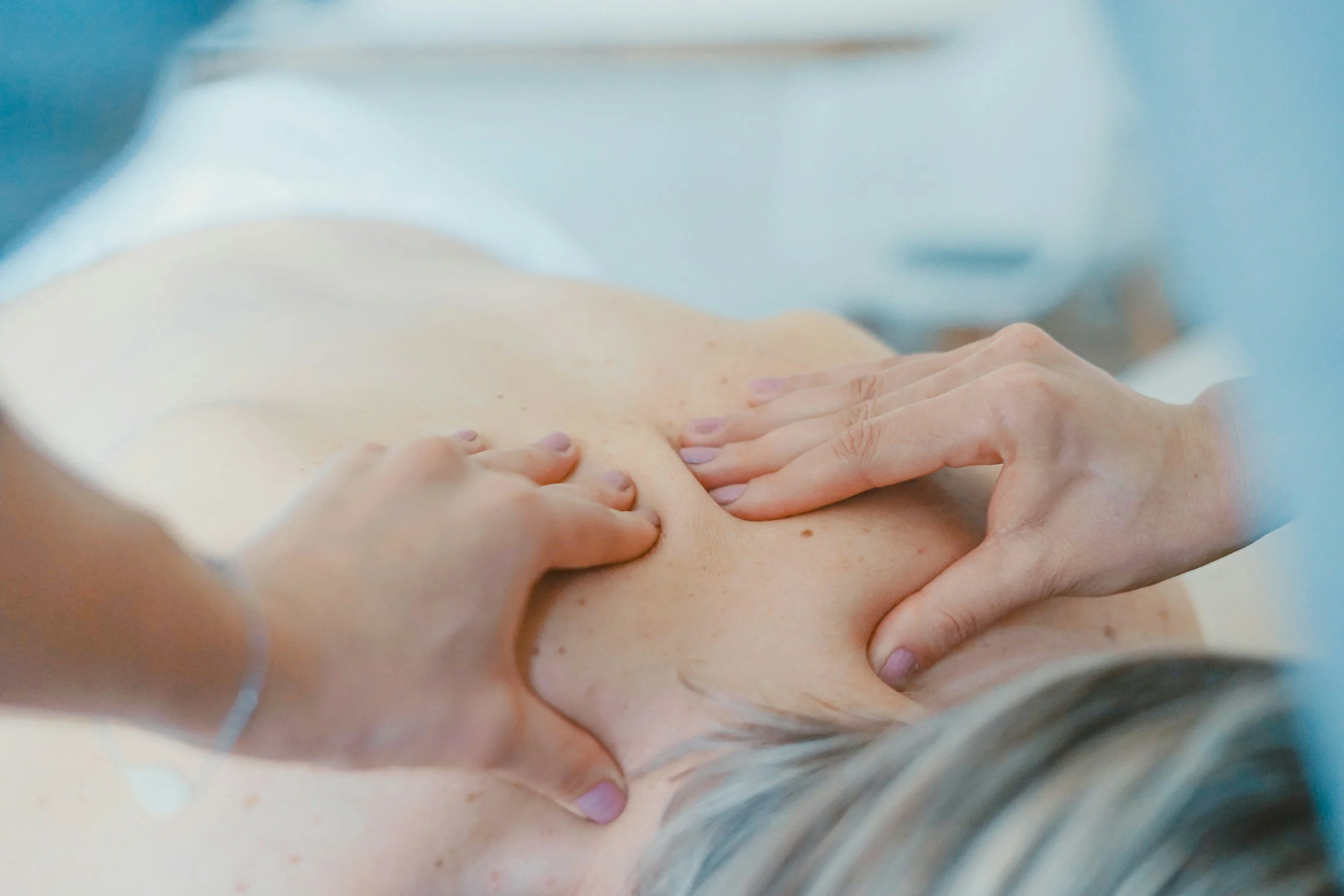
You’ll then receive your first acupuncture treatment which may include other modalities of Chinese Medicine such as massage, cupping, gua sha or moxibustion.
The acupuncture needles will be left in place for 20-40 minutes while you rest comfortably. I will remain in the treatment room whie you rest incase you need any assitance or adjustments. Some patients find they like a quiet space, whilst others enjoy some gentle background music - you can let me know what you prefer.
What should I wear?
It can be helpful to arrive wearing loose, comfortable clothing. Items of clothing may need to be rolled up or removed to access acupuncture points or areas of the body - towels and blankets will be provided for your comfort. We will discuss this before starting your treatment and will only access and treat the areas of the body that you are comfortable with and consent to.
How many sessions will I need?
The effects of acupuncture are known to be accumulative and a course of treatment (4-6 sessions) is usually recommended to begin with. Each individual responds to treatment differently but many find it very supportive and choose to have regular ongoing treatments to maintain good health and longevity.
Where are you based?
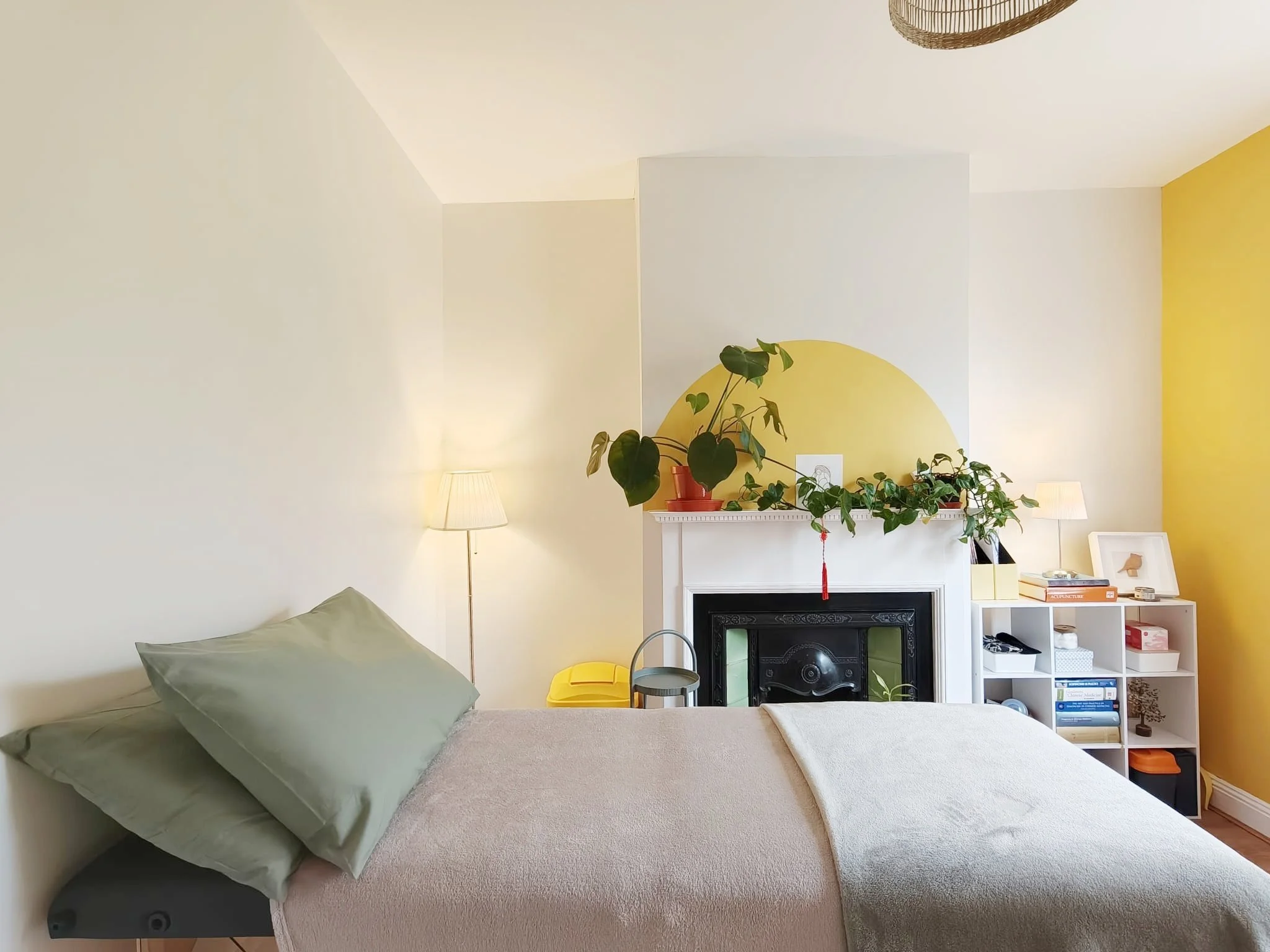
I have a homebased practice in a small village which is a short drive from Gateshead, Newcastle and Durham. Parking is available nearby and my practice is a 2-3 minute walk away.
If you’ve got a question about acupuncture that you’d like to talk to me about, please get in touch or book a free discovery call.
Treatment modalities
-
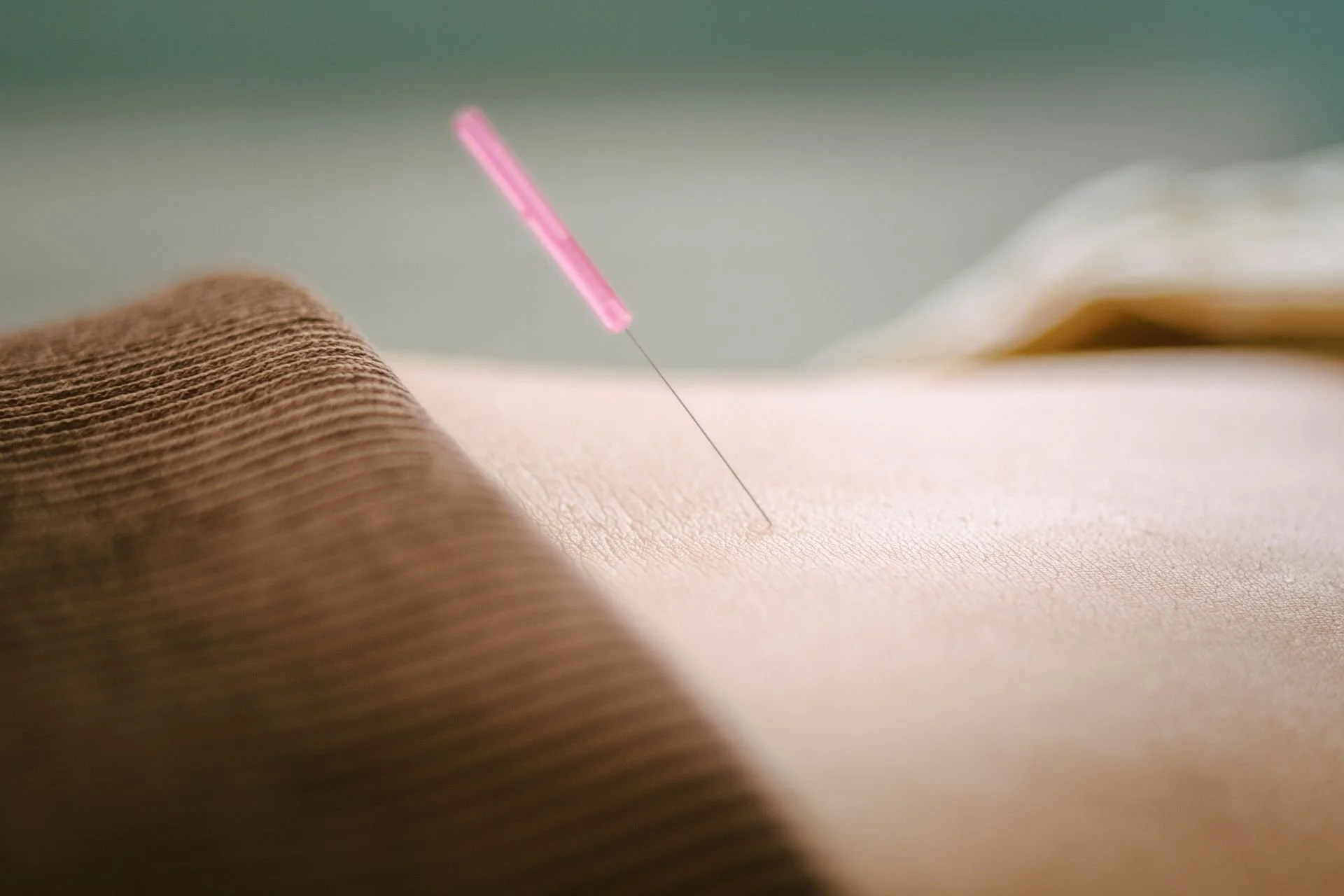
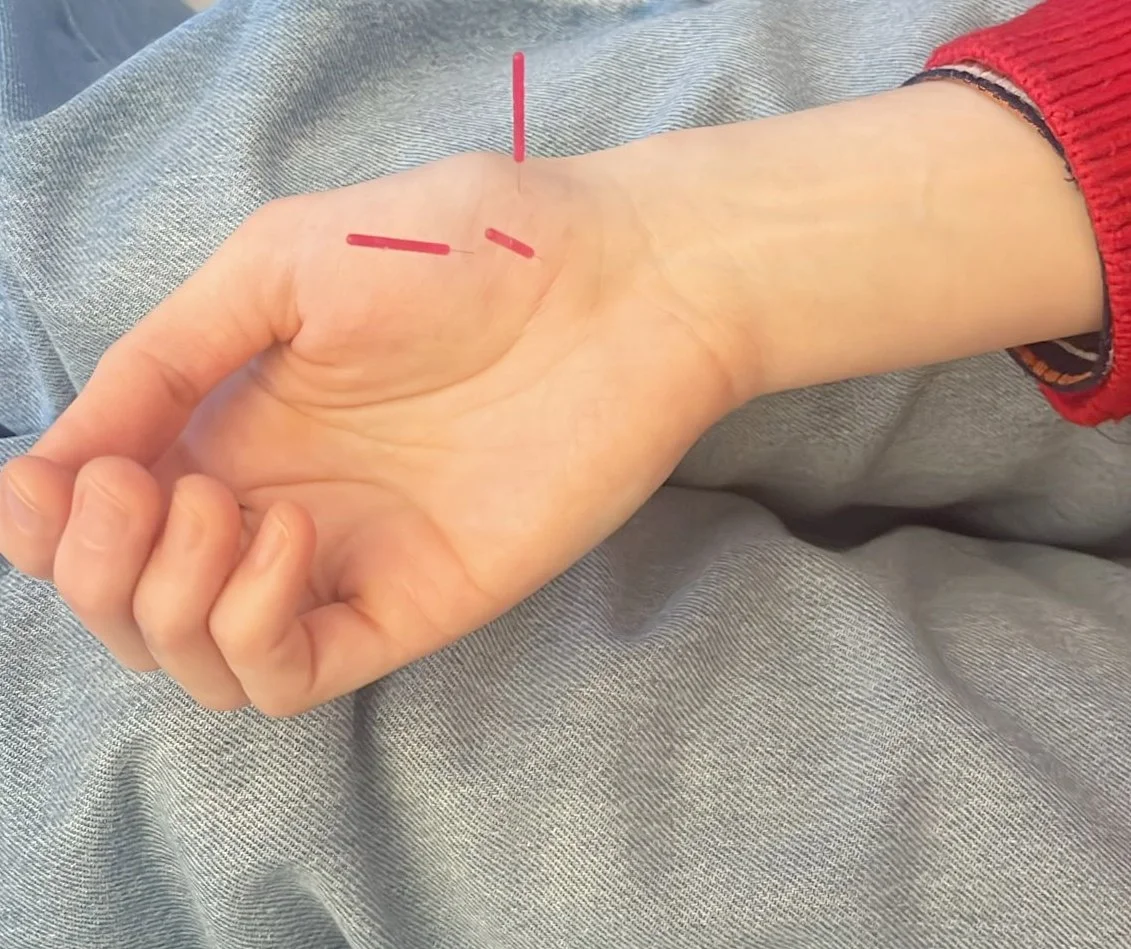
Acupuncture
Fine, sterile needles are gently placed into specific points on the body to encourage the body’s natural healing response and restore balance.
-
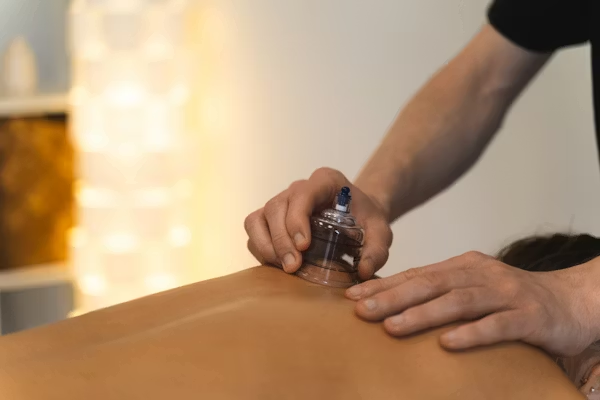
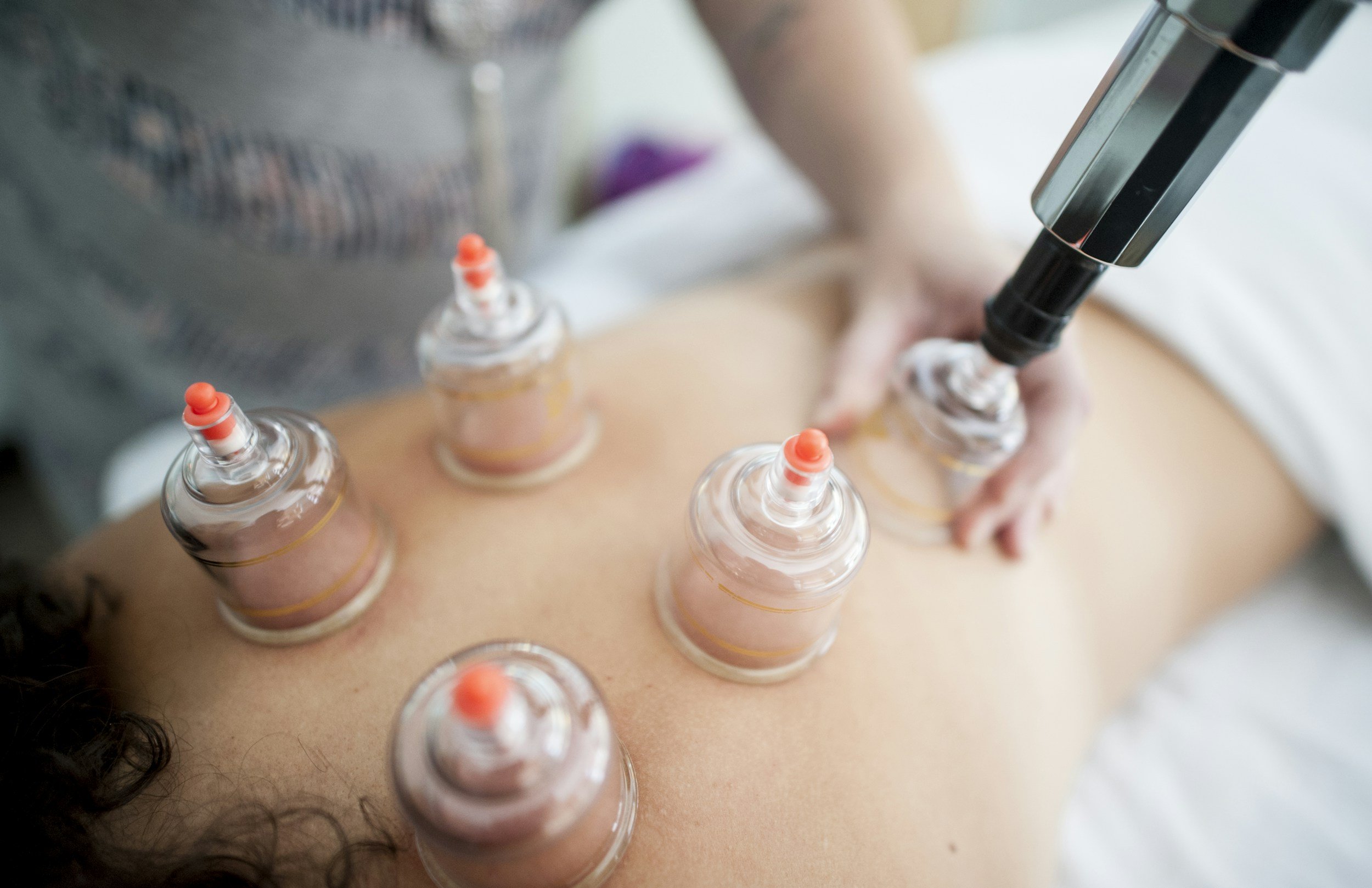
Cupping
A traditional technique where suction cups are used to improve circulation and ease tension in the muscles of the body.
-
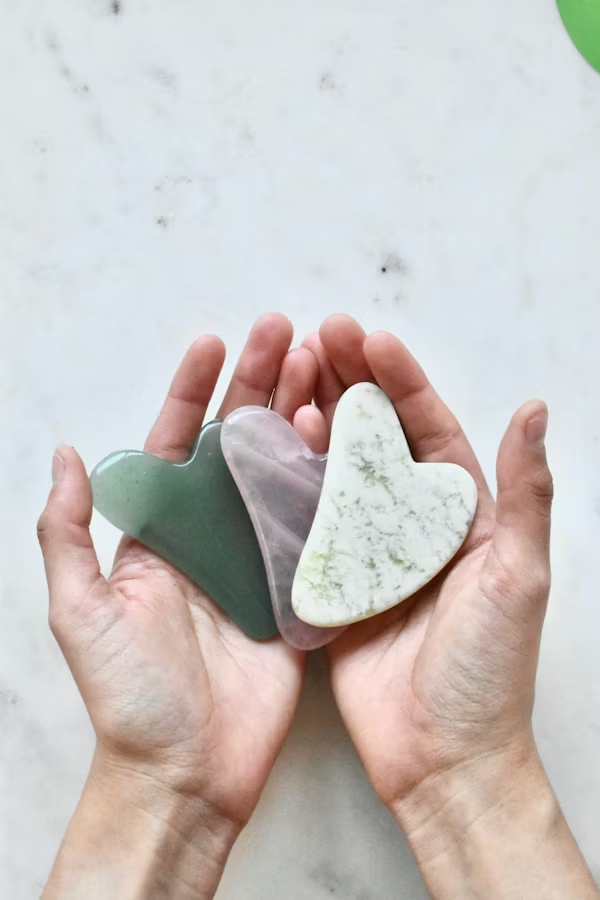
Gua Sha
A scraping method using a smooth tool to help boost circulation, release muscle tension, reduce discomfort, and encourage the body’s natural detoxification process.
-
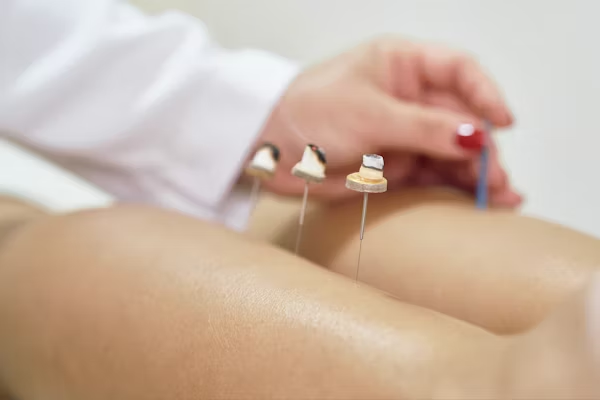
Moxibustion
A soothing warming therapy that uses gently heated dried mugwort to stimulate acupuncture points and energy flow.