My Experience With Acupuncture for PMDD: From Patient to Acupuncturist
My personal experience of acupuncture for PMDD, from becoming a patient to qualifying as an acupuncturist, and what being both patient and practitioner has taught me.
Written by Stacey McGeorge BSc (Hons) Acupuncture, LicAc, MBAcC
Why I Tried Acupuncture for PMDD
My journey to acupuncture began over seven years ago, as a patient.
I was 29 at the time and had felt unwell throughout my twenties. Alongside anxiety, fatigue, irritability, night sweats, insomnia, and digestive issues, I was experiencing severe migraines, muscle and joint pain and dysmenorrhea. I had become so used to feeling this way that I had forgotten what it felt like to feel well.
My partner, a huge advocate of acupuncture, had encouraged me to try it for years. But I was afraid of needles and always found a reason to put it off. It was only after I was diagnosed with a cyclical, hormone-based mood disorder called Premenstrual Dysphoric Disorder (PMDD) that I finally decided to give acupuncture a try.
PMDD affects people in the luteal phases of their menstrual cycle, causing very intense symptoms that usually settle once menstruation begins. When the symptoms do settle, people are often left feeling very vulnerable, picking up the pieces that the physical, mental and emotional symptoms have caused in their lives for up to two weeks. PMDD can be a very serious disorder but, thankfully, we are beginning to learn more about it thanks to the work of brilliant organisations such as The PMDD Project.
What My First Acupuncture Appointment Was Like
At that point, I was ready to try almost anything. But if I'm honest, I was sceptical. I was in a lot of pain and I couldn't understand how putting tiny needles into my body was going to make me feel any better. I arrived at my first appointment flustered — one hour late thanks to brain fog — and quite irritable because, frankly, I didn't really want to be there.
That first appointment was with Fiona, who I have continued to see regularly ever since. I recently spoke to her about that day and she remembered it vividly. The person she described seeing then is very different from the person I am today. I don't remember all the details of that first appointment, but I remember exactly how I felt. I felt welcome, listened to, unrushed and safe. Most importantly, when I shared my complicated medical history, Fiona said, “I think that's probably all connected.” I had always felt that way too.
The treatment itself was so relaxing, and I quickly realised that acupuncture needles felt very different from the medical needles I had been so afraid of. I left feeling relaxed, uplifted and clear-headed — something I hadn't experienced in a very long time.
My Experience of Acupuncture for PMDD
Over the following weeks and months, I continued to work with Fiona. My pain improved significantly, and I also began to notice improvements in my PMDD symptoms. Gradually, I went from feeling awful for two weeks of every month to feeling like myself again.
Today, I still see Fiona regularly for treatment and this continues to be an important part of how I personally manage and support my wellbeing alongside PMDD.
I'm incredibly grateful to Fiona for her gentle care (she has supported me through so many ups and downs over the years), but also for the way she practises. She listens to the whole picture rather than focusing on one symptom, makes me feel safe, calm, and never makes me feel rushed or dismissed.
In many ways, she showed me the kind of practitioner I wanted to become.
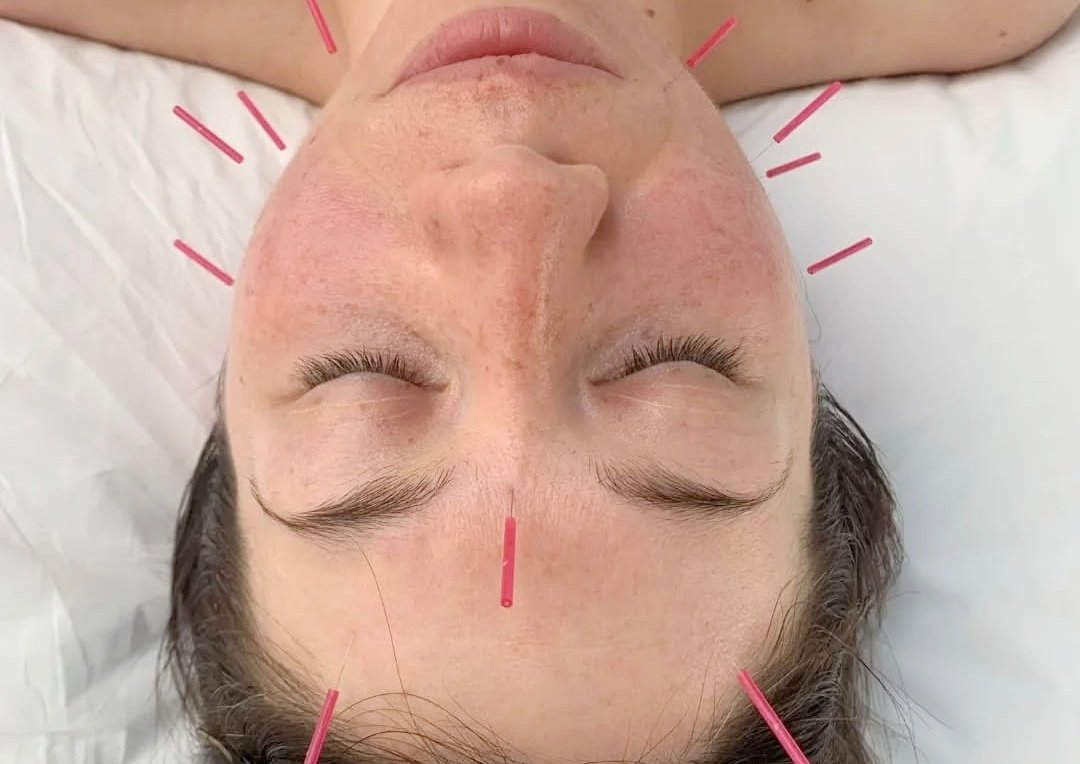
An acupuncture treatment
Why I Decided to Become an Acupuncturist
At each appointment, I found myself asking questions about Traditional Chinese Medicine. I became fascinated by its philosophy, its understanding of the body and its potential to support people through a wide range of health concerns. Something just seemed to click, and I knew I wanted to become an acupuncturist too.
I enrolled at the Northern College of Acupuncture as soon as I could and, after four years of intensive study, qualified with a BSc (Hons) in Acupuncture. Now, one year into practice, I'm incredibly grateful to be able to support other people on their own journeys towards feeling well, understanding their bodies and feeling more like themselves again.
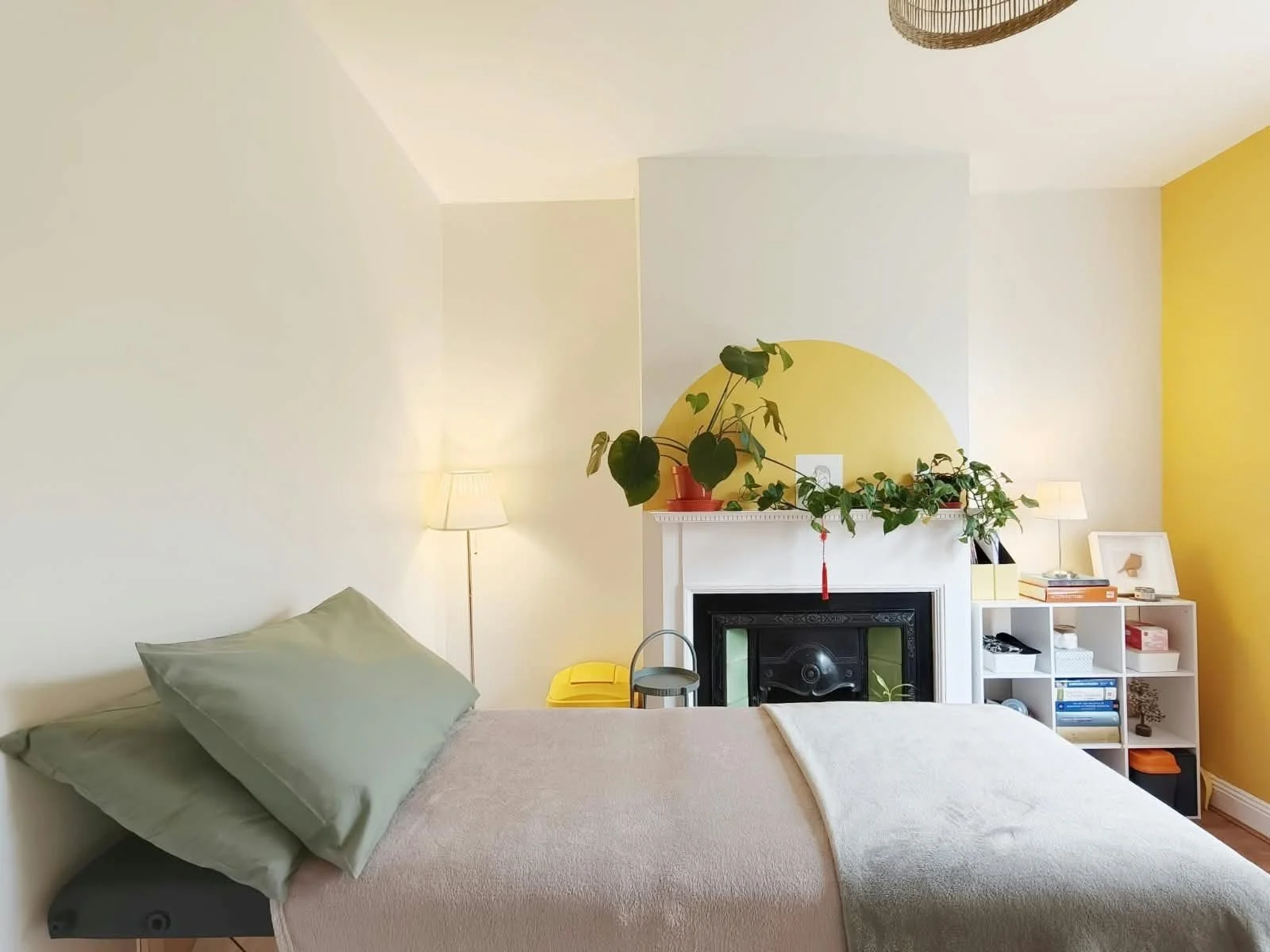
Acupuncture treatment room at Stacey McGeorge Acupuncture
Being Both A Patient And A Practitioner Has Shaped The Way I Work
I know what it feels like to arrive at an appointment feeling sceptical, overwhelmed or unsure whether anyone can really help. I also know the difference it can make when we feel genuinely listened to and to have someone take the time to look at the whole picture. That’s the kind of experience I try to create for my own patients as a practitioner today.
If you would like to have a chat about working together or about how acupuncture may be able to support you, I’d love to hear from you.
Find out more about me and what to expect from your first acupuncture appointment.
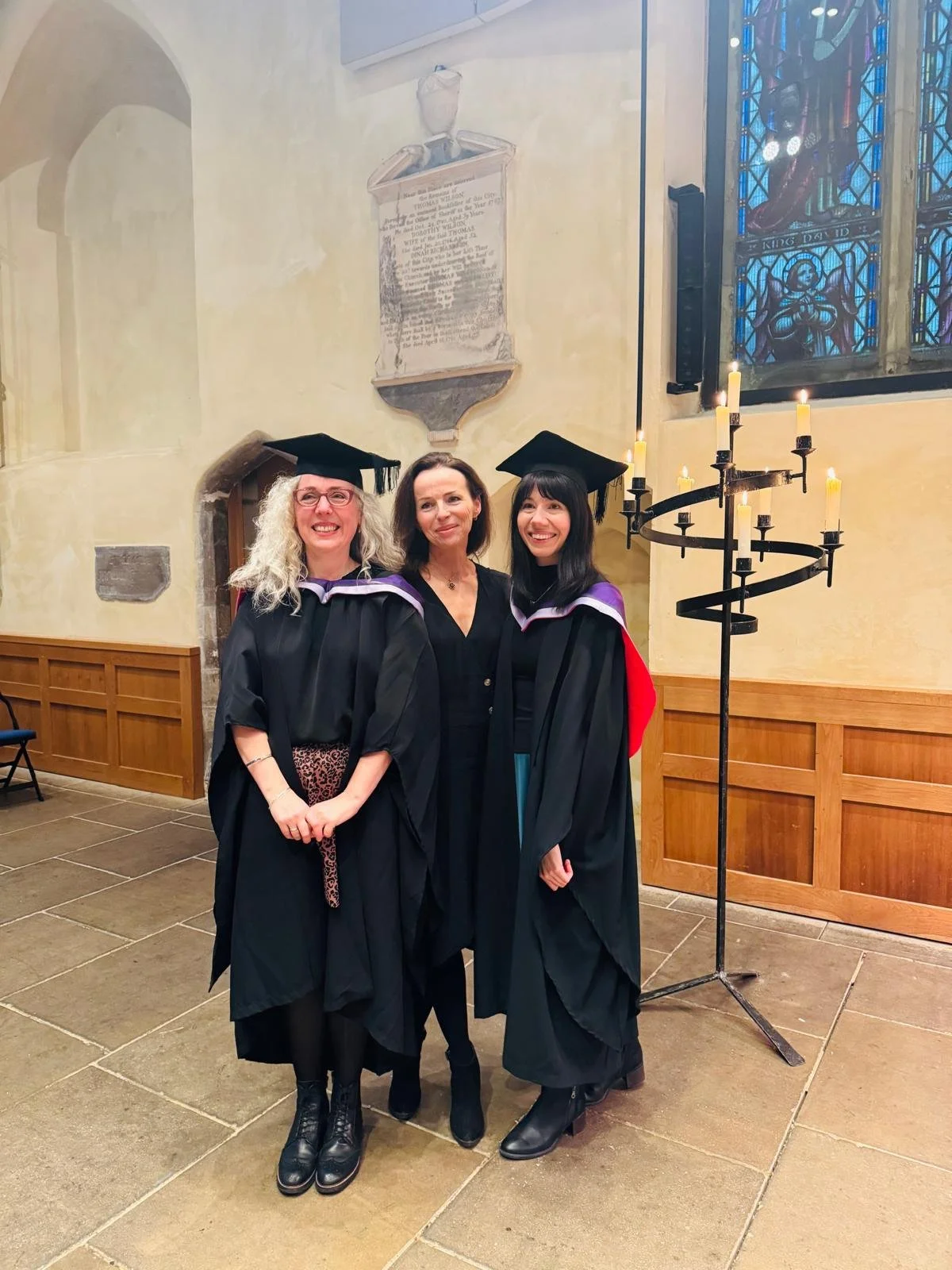
My graduation ceremony which my Acupuncturist, Fiona, attended.
What Is The Evidence Base For Acupuncture?
It’s important to note that my experience of acupuncture is personal, and everyone's experience will be different.
My experience shouldn't be taken as evidence that acupuncture is an effective treatment for PMDD for everyone. PMDD is a complex condition and people can respond to treatments differently. If you're considering acupuncture alongside other treatment for PMDD, it's important to discuss this with an appropriate and qualified healthcare professional.
Acupuncture is currently included in NICE guidance for headaches in over 12s and chronic pain in over 16s and there is also a growing body of research exploring acupuncture for a range of other health concerns.
You can find out more about the current evidence for acupuncture from the British Acupuncture Council, including their evidence A–Z.
You also find out more about acupuncture at my FAQ page.
Written by Stacey McGeorge BSc (Hons) Acupuncture, LicAc, MBAcC
Published: 28/08/2026
Last reviewed: 28/08/2026